Blogs
Hair Fall Treatment: Causes, Remedies, and Effective Solutions for Stronger Hair
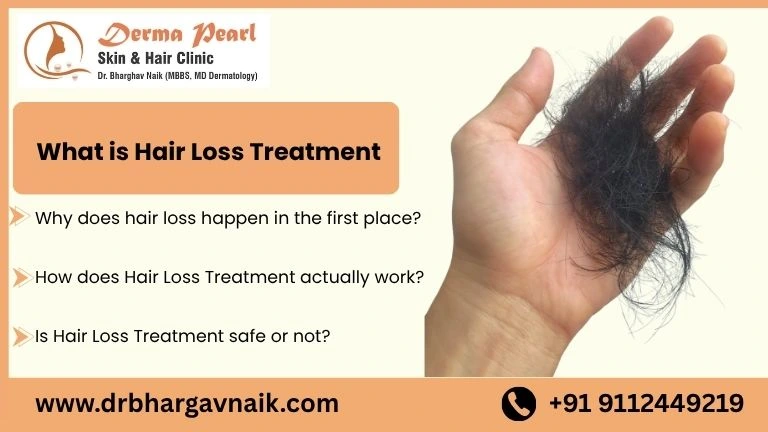
Hair fall… almost everyone deals with it at some point. Some people notice it while combing, some see it in the shower, and some just feel like their hair has become thinner than before. It can be scary honestly, but in many cases it’s treatable. With the right hair fall treatment, you can slow it down and even improve hair growth over time.
Introduction to Hair Fall
Understanding Hair Fall and Hair Thinning
So first thing — hair fall is normal. Yes, really. Our hair grows in cycles. Some hair grows, some rests, and some falls out. That’s part of the process. But when more hair falls and less grows back, that’s when thinning starts happening.
Hair thinning doesn’t always mean baldness. Sometimes it’s temporary. Sometimes it’s because of stress, diet, or hormones. And that’s where proper hair fall treatment helps.
Normal Hair Shedding vs Excessive Hair Loss
On average, losing about 50–100 strands a day is okay. You won’t even notice it usually.
But if you’re seeing:
- Hair all over your pillow
- Lots o-f strands in the shower drain
- Thinner ponytail
- More scalp visible
Why Early Hair Fall Treatment Matters
Many people ignore hair fall at the start. They think it’ll stop on its own. Sometimes it does, but not always.
If you treat it early, the hair roots are still strong and active. That means better chances of regrowth. Waiting too long makes things harder.
Major Causes of Hair Fall
Genetic and Hereditary Factors
If your parents or grandparents had thinning hair or baldness, you might face it too. This is called pattern hair loss. It’s common in men and women both. Doesn’t mean nothing can be done though early care helps a lot.
Hormonal Changes and Imbalance
Hormones affect everything in the body, including hair. Teen years, thyroid issues, PCOS, pregnancy, menopause all these can trigger hair fall. Sometimes it’s temporary, sometimes it needs treatment.
Poor Diet and Nutrient Deficiency
Skipping meals, eating mostly junk food, or low iron levels… all this affects hair. Hair needs protein and vitamins to grow. If the body isn’t getting nutrients, hair becomes weak
Stress and Lifestyle Triggers
Stress is a big one. Exams, work pressure, poor sleep, illness — all can lead to sudden hair fall after a few months. Many people don’t connect stress to hair fall, but it’s real.
Scalp Infections and Medical Conditions
Dandruff, fungal infections, itchy scalp… these things damage hair roots. If the scalp isn’t healthy, hair won’t grow well.
Excessive Styling and Chemical Damage
Too much heat styling, straightening, coloring, tight ponytails — all this weakens hair over time. Hair becomes fragile and breaks easily.
Different Types of Hair Loss
Pattern Baldness in Men and Women
This is the most common type. Gradual thinning on top of the head or receding hairline. Happens slowly, not overnight
Temporary Hair Loss (Telogen Effluvium)
This sounds complicated but it just means sudden shedding after stress, illness, or weight loss. Usually temporary if treated properly.
Patchy Hair Loss (Alopecia Areata)
Round bald patches on scalp. This needs proper medical care
Hair Breakage from Styling
Sometimes hair isn’t falling from the root — it’s breaking. Heat and chemicals can cause this.
Effective Hair Fall Treatment Options
Clinical and Dermatological Treatments
Find out what’s causing your hair fall and how to control it.
Medicated Lotions and Serums
Dermatologists often suggest lotions that strengthen roots and slow hair fall. They take time but help when used regularly.
Oral Hair Growth Supplements
Sometimes the body just needs extra nutrients. Supplements with biotin, iron, and vitamins can help if deficiency is the cause.
PRP (Platelet-Rich Plasma) Therapy
There are also laser and growth-based treatments that improve scalp health and hair thickness.
Hair Transplant Solutions
For advanced hair loss, transplant can restore hair permanently. It uses your own hair roots, so results look natural.
Natural Remedies for Hair Fall Control
Oil Massages for Scalp Health
A gentle oil massage improves blood flow and relaxes the scalp. Coconut or almond oil works well.
Herbal and Home-Based Treatments
Aloe vera, onion juice, or simple hair masks can help support scalp health. They’re not magic cures but can help.
Essential Oils for Hair Strength
Rosemary oil is popular these days. When used properly (and diluted), it may support growth.
Nutrition for Hair Growth
Protein Intake for Hair Strength
Hair is made of protein. Eggs, dal, paneer, nuts all help.
Iron, Zinc, and Vitamin Support
Low iron is a common reason for hair fall, especially in women. Green vegetables and fruits help.
Hydration and Balanced Diet
Drinking enough water matters more than people think.
Daily Hair Care Tips to Reduce Hair Fall
Choosing Suitable Hair Products
Use mild shampoo. Don’t switch products every week.
Correct Washing and Conditioning Routine
Wash gently. Don’t scrub hard. The conditioner helps prevent breakage.
Safe Hair Drying and Styling Habits
Avoid too much heat. Let hair air dry when possible
Scalp Care and Hygiene
Clean scalp = healthier hair. Simple.
Hair Fall Treatment for Men
Early Signs of Male Hair Thinning
Receding hairline and thinning crown are early signs
Treatment Plans for Men
Topical treatments, PRP, or transplant may be suggested depending on stage.
Preventive Hair Care Tips
Start early. Don’t wait until hair loss becomes severe.
When Should You Visit a Hair Specialist?
Signs That Need Medical Attention
Heavy hair fall for months, bald patches, or severe thinning – get it checked.
PCOS and Thyroid-Related Hair Fall
A dermatologist checks scalp and may suggest tests.
Personalized Treatment Planning
Everyone’s hair fall is different, so treatment should be too.
Frequently Asked Questions
What is the best hair fall treatment?
Depends on the cause. There’s no one solution for everyone
How long does it take to see hair regrowth?
Usually 3–6 months if treatment is followed properly
Can hair fall be reversed naturally?Can hair fall be reversed naturally?
Mild hair fall, yes. Severe cases need medical care.
Which treatment works fastest?
PRP and medical treatments often show quicker improvement.
Get expert advice and a personalized hair regrowth plan designed for your specific hair concerns.
Book An Appointment
Contact Us
- OPD Room 2, The Pacific, Block, Seraphic Aesthetics 302-303, G 908, Sector 13, Kharghar, Navi Mumbai, Maharashtra 410210
- +91-91124 49219