
Lip Pigmentation Treatment: What You Need to Know
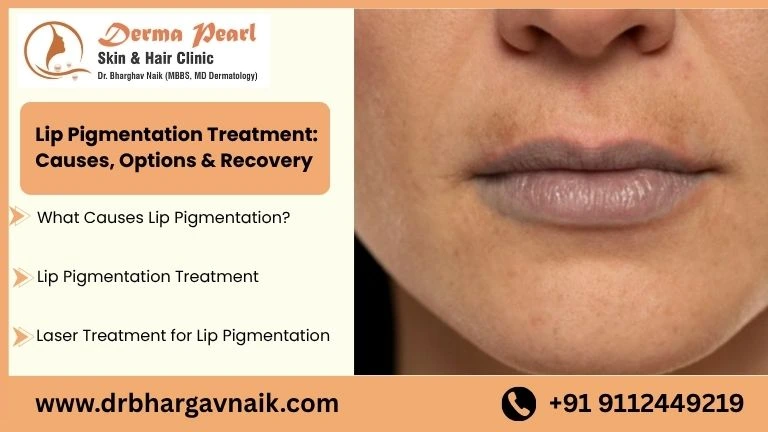
Blogs Lip Pigmentation Treatment: What You Need to Know Having dark or unevenly coloured lips is something many people experience. For some, it may be a natural change, while for others, it can develop gradually due to lifestyle habits, sun exposure, or other factors. Over time, darker lips or patches of pigmentation may make people feel less confident about their appearance. The good news is that lip pigmentation can often be managed with the right care and treatment. Finding the right lip pigmentation treatment begins with understanding why the colour change is happening. With a proper evaluation and guidance from Dr. Bhargav Naik, you can receive a treatment plan designed according to your specific concerns. What Causes Lip Pigmentation? Lip pigmentation can happen for different reasons. One of the common causes is increased melanin production, which is responsible for giving colour to your skin and lips. When melanin increases in certain areas, the lips may start appearing darker. Other factors like frequent sun exposure, smoking, dehydration, hormonal changes, and certain medications can also contribute to dark lips. Sometimes, ingredients present in lipsticks, lip balms, or other cosmetic products may cause irritation and gradually lead to pigmentation. Everyday habits can also affect lip health. Not protecting your lips from the sun, frequently licking your lips, using harsh products, or ignoring proper lip care can make pigmentation more noticeable over time. Lip Pigmentation Treatment There is no single treatment that works for everyone because every case of lip pigmentation is different. The right approach depends on the cause, level of pigmentation, and the overall condition of your lips. A personalized treatment plan focuses on reducing pigmentation, improving lip appearance, and maintaining healthy results. Laser Treatment for Lip Pigmentation Laser treatment is an advanced option used to treat dark and pigmented lips. It targets the excess pigment present in the lips and helps break it down without affecting the surrounding skin. With recommended sessions, laser treatment can help improve uneven colour and give the lips a healthier, more balanced appearance. Chemical Peels Chemical peels are another treatment option that can help improve lip pigmentation. They work by gently removing damaged outer layers and supporting the growth of fresh, healthier skin. This can help reduce dullness, improve texture, and make the lips appear brighter over time. Medical Treatments In some cases, specific medical treatments or prescribed products may be suggested to control pigmentation. These treatments help reduce excess pigment formation and support gradual improvement. It is important to use such treatments only under professional guidance to avoid irritation or unwanted effects. Lifestyle and Lip Care Support Healthy daily habits play an important role in maintaining treatment results. Staying hydrated, protecting your lips from sunlight, avoiding smoking, and following a proper lip care routine can support healthier lips. Small changes in everyday care can make a noticeable difference in the long term. Personalized Lip Care Routine The skin on your lips is delicate and needs gentle care. Using suitable products, avoiding harsh ingredients, and following a routine recommended by a specialist can help prevent further darkening and maintain results after treatment. When Should You See a Doctor? If your lips are becoming darker, pigmentation is increasing, or home care is not helping, it may be time to consult a specialist. A doctor can examine your condition, identify possible causes, and recommend the most suitable treatment instead of relying on temporary solutions. How Is Lip Pigmentation Diagnosed? Diagnosis starts with understanding your medical history, lifestyle habits, skincare routine, and the changes you have noticed in your lips. A detailed examination helps determine the type and severity of pigmentation. If needed, further evaluation may be done to understand the exact cause. An accurate diagnosis helps create a treatment plan that focuses on your individual needs and provides better results. Why Choose Dr. Bhargav Naik? Dr. Bhargav Naik provides personalized care for patients dealing with lip pigmentation concerns. Every patient’s skin type, lifestyle, and pigmentation pattern are carefully assessed before suggesting a treatment. With experience in advanced skin and aesthetic treatments, the goal is to provide safe and effective solutions while ensuring patients feel comfortable and informed throughout their journey. Conclusion Lip pigmentation is a common concern, but it does not always have to be permanent. Understanding the reason behind dark lips and choosing the right treatment can help improve their appearance and overall health. With expert care from Dr. Bhargav Naik, patients can receive advanced lip pigmentation treatments along with personalized guidance to achieve healthier and naturally refreshed-looking lips. Concerned about pigmented lips? Learn the causes and treatment options now! 093266 51151 bhargav30naik@gmail.com FAQs Can dark lips become lighter again? Yes, dark lips can improve in many cases with the right treatment and proper care, depending on the reason behind pigmentation. Which treatment is best for lip pigmentation? The best treatment depends on your individual condition. Options may include laser treatment, chemical peels, medical care, and lifestyle improvements. How much time does lip pigmentation treatment take? Results vary for each person. Some treatments may need multiple sessions, and visible improvement usually happens gradually. Is laser treatment safe for pigmented lips? Yes, when performed by a trained specialist, laser treatment can be a safe and effective option for reducing lip pigmentation. When should I visit a doctor for dark lips? You should consider consulting a doctor if your lip pigmentation keeps increasing, appears suddenly, or does not improve with regular care. Yes, dark lips can improve in many cases with the right treatment and proper care, depending on the reason behind pigmentation. The best treatment depends on your individual condition. Options may include laser treatment, chemical peels, medical care, and lifestyle improvements. Results vary for each person. Some treatments may need multiple sessions, and visible improvement usually happens gradually. Yes, when performed by a trained specialist, laser treatment can be a safe and effective option for reducing lip pigmentation. You should consider consulting a doctor if your lip pigmentation keeps increasing, appears suddenly, or does not improve
Scalp Acne Treatment
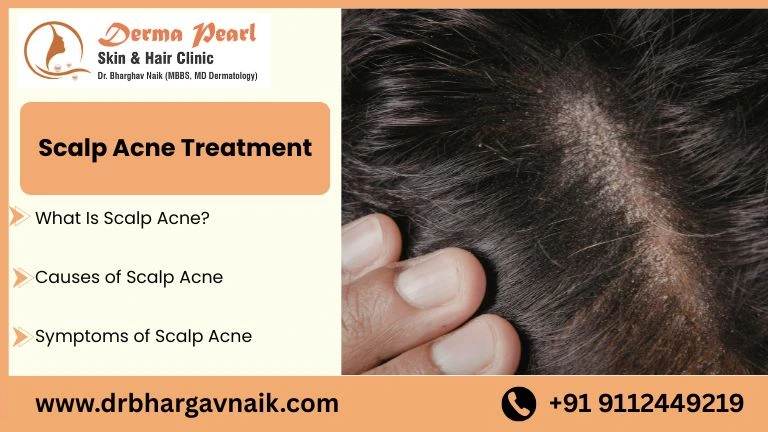
Blogs Scalp Acne Treatment: How to Manage and Heal Scalp Breakouts Scalp acne can be more frustrating than it seems. Even though it’s hidden under the hair, it can cause noticeable discomfort like itching, pain, or sensitivity while combing. Many people confuse it with dandruff or a minor irritation, but in reality, it often needs proper attention and care. Recognizing scalp acne early and choosing the right treatment can make a big difference in preventing it from getting worse. With the right approach and expert guidance from Dr. Bhargav Naik, it is possible to restore scalp health effectively and comfortably. What Is Scalp Acne? Scalp acne refers to small bumps, pimples, or inflamed spots that appear on the scalp when hair follicles become blocked. This usually happens due to excess oil, dead skin cells, or buildup from hair products, which creates an environment where bacteria can grow. Unlike facial acne, it is not always visible, which is why it often goes unnoticed until symptoms like pain or itching start to appear. You might feel discomfort while washing or brushing your hair, which is often the first sign that something isn’t right. Causes of Scalp Acne Scalp acne doesn’t usually have just one cause. It often develops due to a mix of factors related to lifestyle, hygiene, and internal body changes. Understanding these triggers can help in managing the condition more effectively. Excess Oil and Clogged Pores When the scalp produces too much oil, it can clog hair follicles. Combined with dead skin cells, this increases the likelihood of acne formation. Hair Product Buildup Frequent use of heavy oils, gels, or styling products can leave residue on the scalp. Over time, this buildup can block pores and lead to breakouts. Poor Scalp Hygiene Irregular washing or sweat accumulation can trap dirt and bacteria on the scalp, increasing the chances of acne. Hormonal Changes and Stress Hormonal fluctuations and stress can increase oil production, making the scalp more prone to inflammation and breakouts. Tight Headwear or Friction Wearing helmets, caps, or tight headgear for long hours can trap heat and sweat, irritating the scalp and contributing to acne. Symptoms of Scalp Acne The symptoms can vary depending on how severe the condition is. In most cases, people notice small red bumps, whiteheads, or pus-filled pimples on the scalp. There may also be itching, tenderness, or a slight burning sensation. In more severe cases, deeper and painful lumps can form, making everyday activities like combing or styling hair uncomfortable. Scalp Acne Treatment Options Treatment depends on the severity of the condition and its underlying cause. A balanced approach that includes proper care and medical treatment often works best. Medicated Shampoos Special shampoos with ingredients like salicylic acid, ketoconazole, or zinc help reduce oil, unclog pores, and control bacteria. Topical Treatments Doctors may suggest creams or lotions to reduce inflammation and treat infection directly on the affected area. Oral Medications For more severe or persistent cases, medications such as antibiotics may be prescribed to control infection and reduce inflammation. Lifestyle and Hair Care Changes Using mild, non-comedogenic products and maintaining regular scalp hygiene can significantly improve the condition over time. Home Remedies Simple remedies like tea tree oil or aloe vera may help soothe irritation in mild cases, though they are not a substitute for medical treatment when the condition is severe. When Should You See a Doctor? If scalp acne continues to return, becomes painful, or does not improve with basic care, it’s important to consult a specialist. You should also seek medical advice if there is swelling, pus formation, or hair loss in the affected area. Getting the right treatment early can help prevent complications and speed up recovery. Why Choose Dr. Bhargav Naik? Dr. Bhargav Naik offers a personalized approach to treating scalp and skin conditions. Each case is carefully evaluated to identify the root cause before recommending treatment. With a focus on combining clinical expertise with modern treatment methods, patients receive care that is both effective and tailored to their needs. Clear communication and ongoing support ensure a smooth and comfortable treatment experience. Conclusion Scalp acne may seem minor at first, but it can become uncomfortable if left untreated. Recognizing the symptoms and choosing the right scalp acne treatment can help manage the condition effectively and prevent it from recurring. With the right care and guidance from Dr. Bhargav Naik, it is possible to achieve a healthier, irritation-free scalp and improve overall comfort in daily life. Struggling with scalp breakouts? Discover the real causes now! 093266 51151 bhargav30naik@gmail.com FAQs What is the best treatment for scalp acne? Treatment usually includes medicated shampoos, proper scalp care, and sometimes prescription medications depending on severity. Can scalp acne go away on its own? Mild cases may improve with proper hygiene, but persistent acne often needs medical treatment. Is scalp acne caused by dandruff? Not directly, but both conditions can be related to excess oil and scalp imbalance. Can I use home remedies for scalp acne? Yes, mild cases may respond to remedies like tea tree oil or aloe vera, but severe cases require professional care. How long does scalp acne take to heal? It can improve within a few days to a few weeks depending on the severity and treatment used. Treatment usually includes medicated shampoos, proper scalp care, and sometimes prescription medications depending on severity. Mild cases may improve with proper hygiene, but persistent acne often needs medical treatment. Not directly, but both conditions can be related to excess oil and scalp imbalance. Yes, mild cases may respond to remedies like tea tree oil or aloe vera, but severe cases require professional care. It can improve within a few days to a few weeks depending on the severity and treatment used.
Hair Treatment for Thin Hair
Blogs Hair Treatment for Thin Hair: What You Need to Know Dealing with thin hair can be frustrating, especially when it starts affecting your overall appearance and confidence. You might notice your hair losing volume, falling more than usual, or your scalp becoming more visible over time. While it can feel concerning, the positive side is that effective treatment options are available today. The key to choosing the right hair treatment for thin hair lies in understanding what’s causing it in the first place. With the right diagnosis and expert guidance from Dr. Bhargav Naik, it’s possible to manage hair thinning and work toward healthier, fuller-looking hair. What Causes Thin Hair? Hair thinning doesn’t usually happen due to a single reason. It’s often the result of multiple factors working together. Genetics is one of the most common causes, especially in cases of pattern hair loss. Apart from that, hormonal changes, ongoing stress, nutritional deficiencies, and certain medical conditions can also contribute. Daily habits play a bigger role than many people realize. Irregular sleep, poor diet, frequent use of styling tools, or exposure to harsh chemicals can weaken hair over time. Even tight hairstyles or excessive heat treatments can put stress on the hair and lead to gradual thinning. Hair Treatment for Thin Hair Treating thin hair is not about a one-size-fits-all solution. The right approach depends on the cause, severity, and individual hair condition. A customized plan usually gives the best results in the long run. Medical Treatments In some cases, doctors may suggest medications that help slow down hair loss and encourage regrowth. These treatments work by improving blood circulation to the scalp and supporting the natural hair growth cycle. PRP Therapy (Platelet-Rich Plasma) PRP therapy has become a popular option for managing hair thinning. It uses your own blood plasma to stimulate hair follicles and promote natural growth. Over time, this can help improve hair thickness and density. Hair Transplant Options When hair thinning becomes more advanced, a hair transplant may be considered. This procedure involves moving healthy hair follicles to areas where hair is thinning, helping restore coverage in a natural-looking way. Lifestyle and Nutritional Support Healthy hair starts from within. A balanced diet rich in protein, iron, and essential nutrients plays a major role in strengthening hair. Managing stress and maintaining a healthy routine can also positively impact hair growth. Scalp Care and Hair Routine Taking care of your scalp is just as important as caring for your hair. Using gentle products, avoiding harsh chemicals, and maintaining a proper hair care routine can help prevent further damage and support healthier growth. When Should You See a Doctor? If you notice sudden hair thinning, excessive hair fall, or patches where the scalp is becoming visible, it’s best not to ignore it. Seeking medical advice early can help identify the cause and prevent the condition from worsening. A specialist can evaluate your hair and scalp condition and guide you toward the most suitable treatment based on your needs. How Is Thin Hair Diagnosed? Diagnosis usually begins with a detailed consultation, where your medical history and lifestyle are discussed. This is followed by a scalp examination to assess hair density and the pattern of hair loss. In some cases, additional tests may be recommended to understand the underlying cause. Getting the diagnosis right is important, as it helps in choosing a treatment that actually works for your condition. Why Choose Dr. Bhargav Naik? Dr. Bhargav Naik focuses on offering personalized solutions tailored to each patient’s specific needs. Every case of hair thinning is carefully evaluated to identify the root cause before starting treatment. With experience in advanced hair restoration techniques and a patient-first approach, the aim is to provide treatments that are safe, effective, and long-lasting. Patients are guided at every step, ensuring clarity and confidence throughout the process. Conclusion Hair thinning can feel overwhelming, but with the right approach, it is manageable. Understanding the cause and choosing the appropriate treatment can make a significant difference in both hair health and confidence. With expert care from Dr. Bhargav Naik, patients can access advanced treatments and personalized guidance to address hair thinning and work toward healthier, fuller hair over time. Thinking about restoring volume to your hair? Get expert tips now! 093266 51151 bhargav30naik@gmail.com FAQs Can thin hair become thick again? In many cases, hair thickness can improve with the right treatment, depending on the cause and consistency of care. What is the best treatment for thin hair? The best option varies for each person and may include medication, PRP therapy, or lifestyle changes. How long does it take to see results? Hair treatments usually take a few months to show visible improvement, as hair growth is a gradual process. Is PRP therapy helpful for thin hair? Yes, PRP therapy is widely used to improve hair density and support natural regrowth. When should I consult a doctor? If hair thinning continues or worsens over time, it’s advisable to seek professional advice early. In many cases, hair thickness can improve with the right treatment, depending on the cause and consistency of care. The best option varies for each person and may include medication, PRP therapy, or lifestyle changes. Hair treatments usually take a few months to show visible improvement, as hair growth is a gradual process. Yes, PRP therapy is widely used to improve hair density and support natural regrowth. If hair thinning continues or worsens over time, it’s advisable to seek professional advice early.
Skin Whitening Treatment
Blogs What is Skin Whitening Treatment and How Does It Work? These days, everyone wants clear and glowing skin… and honestly, who doesn’t? But due to pollution, sun exposure, stress, and even lifestyle habits, skin starts looking dull, uneven, or sometimes with dark spots. That’s where skin whitening treatment comes into picture. Now don’t get confused by the name — it’s not about changing your natural skin color completely. It’s more about improving skin tone, reducing pigmentation, and making your skin look fresh and even. Basically, skin whitening treatment works by controlling melanin in the skin. Melanin is what gives color to your skin, but when it increases too much, it causes dark patches, tanning, and uneven tone. The treatments help to balance this, so your skin starts looking clearer and more healthy. How Does Skin Whitening Treatment Improve Skin Tone? Let’s keep it simple — these treatments either reduce excess pigmentation or remove the damaged outer layer of the skin. Sometimes, results are slow, but they do show up gradually and look natural, which is actually better than quick but artificial changes. Does it really help with dark spots and marks? Yes, it actually does help in reducing dark spots, acne marks, and tanning. With regular sessions, the pigmentation fades and skin starts looking more even. Can it also improve skin texture? Not just color, but texture too. After treatments like peels or laser, skin feels smoother because dead cells are removed and new skin comes up. Will it suit every skin type? Honestly, yes… but not in the same way. Everyone’s skin is different, so treatment is always adjusted according to your skin type. That’s why consultation is important. Types of Skin Whitening Treatments There are a few different ways people go for this treatment, depending on how much pigmentation they have. Topical creams are usually the first step. These are simple creams or serums you apply daily. They contain ingredients like vitamin C or kojic acid which slowly improve the skin tone. Then comes chemical peels, which are a bit more advanced. A solution is applied on the skin that gently removes the top layer. It might sound scary, but it’s quite commonly done and helps in revealing brighter skin underneath. Laser treatments are another option, especially when pigmentation is deeper. It works with light energy that targets specific spots. Results are usually more visible, but again, it depends on the number of sessions. Some people also go for glutathione treatments, which work from inside the body to reduce melanin production. But this one should always be taken under proper medical guidance. Is Skin Whitening Treatment Safe? Now this is something many people worry about, and rightly so. If done under a qualified dermatologist, it is mostly safe. But if someone tries random creams or treatments without checking, then it can cause problems. Some creams in the market are honestly not safe at all — they may contain harmful ingredients that can damage your skin or even affect your health. So please don’t just try anything blindly. Always take proper consultation before starting any treatment. That one step can save you from a lot of trouble later. What Benefits Can You Expect? The biggest thing people notice is improved skin tone. Skin starts looking more even and brighter, not dull or patchy. It also helps reduce acne scars, which is something many people struggle with for years. When those marks start fading, it really boosts confidence. Another benefit is that skin starts looking healthier overall. Not just lighter or brighter, but fresh and well-maintained. Any Side Effects You Should Know? Like anything else, this also can have some side effects, especially if not done properly. You might feel slight redness or dryness after treatment, but that usually settles in a few days. If overused or done without guidance, some treatments can make skin sensitive or damaged. That’s why following instructions is really important. How Long Does It Take to See Results? Honestly, it depends. Some creams take a few weeks to show changes, while treatments like peels or lasers may need multiple sessions. You won’t see results overnight, and that’s completely normal. Skin takes time to heal and improve, so patience is key here. What About the Cost? Cost is not fixed. It changes depending on the type of treatment and how many sessions you need. Simple creams are obviously cheaper, while advanced laser treatments cost more. But usually, after a consultation, you get a clear idea of the total cost based on your skin condition. Why Choose Dr. Bhargav Naik for Skin Whitening Treatment? When it comes to your skin, you really shouldn’t take chances. Dr. Bhargav Naik focuses on giving personalized treatment based on each patient’s skin type and concerns. Not every skin is the same, so a customized approach makes a big difference. The clinic uses modern techniques and safe procedures, so you don’t have to worry much about side effects. Plus, the focus is always on natural-looking results, not something artificial or overdone. Conclusion So, if you’re thinking about improving your skin tone or reducing pigmentation, skin whitening treatment can definitely help when done the right way. But remember, it’s not a magic fix. It needs proper guidance, the right method, and a bit of patience. When all of that comes together, you can actually see a big difference in your skin. And most importantly, always choose a trusted dermatologist instead of trying shortcuts. Your skin deserves proper care, not quick experiments. Planning to improve your skin tone? Get expert advice now! 093266 51151 bhargav30naik@gmail.com FAQs Is skin whitening treatment permanent? Not really. Results can last long, but maintenance is needed because skin keeps getting exposed to sun and pollution. Can it remove all dark spots? It can reduce most of them, but results depend on the depth and type of pigmentation. Is sunscreen necessary after treatment? Yes, very important. Without sunscreen, results may fade quickly. Can I do it at home?
What is Hair Loss Treatment
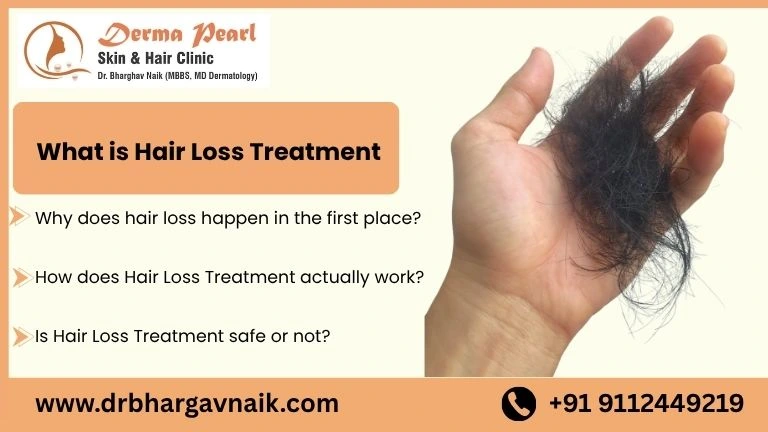
Blogs What is Hair Loss Treatment and How Can It Help You? Hair fall is one of those things which most of us ignore in starting… thinking it’s normal. But slowly when you start seeing more hair on your pillow, in the shower, or on your comb, it becomes a real concern. And honestly, it can feel a bit stressful too. That’s where hair loss treatment comes into the picture. It’s not just about stopping hair fall, but also about trying to bring back stronger and healthier hair. The idea is simple—find the reason behind hair loss and then treat it from the root. Not all hair fall is same. For someone it may be due to stress, for someone else it might be genetics or even diet. So treatment also changes depending on the cause. Why does hair loss happen in the first place? Hair loss can happen for many reasons, and sometimes it’s a mix of things. It doesn’t always happen suddenly, it builds up slowly. Many people don’t realise, but daily habits play a big role. Skipping meals, not sleeping properly, and high stress levels can affect your hair more than you think. Can stress really cause hair fall? Yes, and quite a lot actually. When you’re stressed, your body goes through changes and hair growth cycle gets disturbed. Suddenly you may notice more hair fall than usual. It can feel scary, but this is quite common. Does genetics matter in hair loss? Yes, it does. If your parents or grandparents faced hair thinning or baldness, chances are higher you might face it too. But it doesn’t mean nothing can be done. Treatment can still help control it. Can diet and nutrition affect hair? Of course. Hair needs proper nutrients like protein, iron, and vitamins. If your diet is lacking, hair becomes weak and starts falling easily. Simple changes in diet can sometimes improve hair health a lot. How does Hair Loss Treatment actually work? The main idea behind hair loss treatment is not just to stop hair fall but to improve overall scalp health. Some treatments try to increase blood flow to the scalp, while others give nutrients directly to hair roots. There are also procedures that reactivate sleeping hair follicles. It’s not something that gives results in a day or two. Hair growth takes time, so patience is important here. With regular sessions and proper care, you start noticing changes gradually. What are the different types of Hair Loss Treatment available? There are multiple options available, and each one works differently depending on the problem. Medications and topical solutions These are usually the first step. Products like minoxidil are applied on scalp and they help in slowing down hair fall and encouraging regrowth. It takes time, but for early hair loss, it can help. PRP (Platelet-Rich Plasma) therapy This is quite popular nowadays. In this treatment, a small sample of your blood is processed and then injected into the scalp. It sounds a bit complicated, but it helps in strengthening hair roots and improving growth. Hair transplant procedure When hair loss becomes more visible or permanent, hair transplant is suggested. In this, hair from one area is moved to another area where hair is thin or missing. Results are natural, but it takes time to see full effect. Laser-based treatments Low-level laser therapy is another option where light is used to stimulate hair follicles. It’s non-invasive and usually done along with other treatments. Is Hair Loss Treatment safe or not? If you’re thinking about safety, then yes… when done properly, hair loss treatment is mostly safe. But here’s the catch—people sometimes try random products without knowing what their hair actually needs. That’s where problems start. Every scalp is different, so what works for one person might not work for another. That’s why consultation is important. A doctor can guide you better instead of guessing on your own. What kind of results can you expect? Results are not instant, and honestly, anyone who promises quick results might not be telling the full truth. With medications or treatments, you might notice less hair fall in a few weeks. New hair growth takes more time, usually a few months. Hair transplant gives more visible results, but even that needs time for proper growth. So patience plays a big role here. Consistency also matters a lot. Skipping treatment or not following instructions can delay results. Are there any side effects? Most treatments are safe, but yes, some minor side effects can happen. You might feel slight redness or itching after certain procedures. Sometimes, in the beginning, hair may shed a bit more than usual, which is actually part of the process. These things usually settle down on their own. But if something feels unusual, it’s always better to check with your doctor instead of ignoring it. Why choosing the right specialist matters? This is something many people overlook. Hair problems are not just surface-level issues. They are often linked to internal health, hormones, and lifestyle. So treating it randomly doesn’t really help much. A proper diagnosis makes a huge difference. Once the cause is clear, treatment becomes more effective. Why Choose Dr. Bhargav Naik for Hair Loss Treatment? When it comes to something like hair, you don’t want to take risks with trial and error. Dr. Bhargav Naik focuses on understanding the exact cause of hair loss and then suggesting a suitable treatment. Every case is treated differently, not with a fixed method. With advanced technology and proper care, treatments are done in a safe and controlled way. The focus is not just on stopping hair fall but also on improving overall hair health. Why Choose Dr. Bhargav Naik for Hair Loss Treatment? Hair fall can feel frustrating, especially when you start noticing it every day. But the good thing is, with proper hair loss treatment, it is possible to control and manage it. It’s not about quick fixes. It’s about finding the real reason, following the right
Laser Treatment For Face Cost
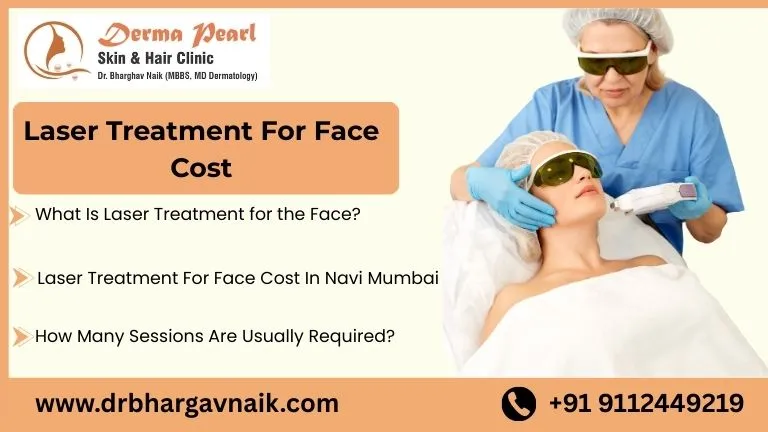
Blogs Laser Treatment For Face Cost- Price, Sessions & What Affects the Cost in Mumbai Skin issues are honestly something most people deal with at some point in life. It could be acne scars that never seem to fade properly, dull skin that just looks tired all the time, or those stubborn dark spots that keep coming back. Because of things like this, facial laser treatments have become quite common nowadays, especially in cities like Mumbai. But before someone actually decides to get the treatment done, the first thing that usually comes to mind is the laser treatment for face cost. People want a rough idea of how much they might need to spend and whether it’s something they can realistically afford. The truth is, there isn’t a single fixed price that works for everyone. The cost can change depending on different factors. Things like the skin concern, the type of laser used, and how many sessions are required all play a role. Some people may see improvement in just a few sessions, while others might need a slightly longer treatment plan. So yes, the price can vary, but having a general idea about the treatment and its cost helps people make a more comfortable decision. What Is Laser Treatment for the Face? Laser treatment for the face is basically a dermatology procedure where focused light energy is used on the skin to improve certain problems. The laser targets damaged skin cells and allows the skin to slowly repair itself. People usually go for this treatment for concerns like acne scars, uneven skin tone, pigmentation, fine lines, or even just to refresh their skin appearance. One important benefit is that laser treatments also stimulate collagen production. Collagen is what helps keep the skin smooth and firm. There are different types of laser technologies used in dermatology clinics. Some lasers work mainly on the top layer of the skin, while others go a little deeper to treat scars or wrinkles. Because every person’s skin reacts differently, dermatologists normally examine the skin first before suggesting which type of laser treatment would work best. laser treatment for face cost in Navi Mumbai When people search about laser treatments, the price is usually the first thing they want to know. The laser treatment for face cost in India can vary depending on the procedure and the clinic performing it. Generally, the approximate price range may look something like this: Basic skin rejuvenation laser: ₹3,000 – ₹8,000 per session Pigmentation or spot removal: ₹4,000 – ₹12,000 Acne scar laser treatment: ₹6,000 – ₹20,000 Fractional CO2 laser resurfacing: ₹20,000 – ₹50,000 per session In metro cities like Mumbai or Navi Mumbai, the cost may sometimes be slightly higher. Clinics here often use modern equipment and experienced dermatologists, which can influence the overall pricing. However, the exact cost usually becomes clear only after a proper skin consultation. What Factors Affect the Cost of Facial Laser Treatment? Many people get confused when they notice that prices differ from one clinic to another. This mostly happens because several things affect the final cost of the treatment. Type of Laser Technology Different laser machines work in different ways. Some advanced technologies are designed to treat deeper skin layers and give stronger results. Because of that, treatments using advanced lasers may cost more. Skin Concern Being Treated The severity of the skin concern also matters. Treating mild pigmentation is usually simpler and may require fewer sessions. But deeper acne scars often require stronger treatments and multiple sessions. Number of Sessions Laser procedures usually work best when done in multiple sessions. Some improvement may appear after the first treatment, but dermatologists normally recommend completing the full course for better results. Dermatologist’s Experience The experience of the dermatologist can also influence the pricing. Clinics with skilled specialists and modern equipment sometimes charge slightly higher, but many patients feel more confident choosing them. Clinic Location The location of the clinic also plays a role. In bigger cities like Mumbai, treatment costs may be slightly higher because clinics maintain advanced facilities and equipment. How Many Sessions Are Usually Required? The number of sessions mainly depends on the skin concern and how the skin responds to treatment. For mild pigmentation issues, around two to four sessions may be enough. Acne scar treatments often require more sessions, sometimes around three to six. Some people also opt for occasional laser sessions simply for skin rejuvenation and maintenance. Usually, dermatologists space these sessions a few weeks apart so the skin has enough time to heal and regenerate properly. Is Laser Treatment Worth the Cost? Many patients do wonder whether the treatment is actually worth the money. In many cases, people do feel satisfied with the results. Laser treatments don’t give instant dramatic changes, but the improvement happens gradually. As the skin starts producing more collagen, the overall texture slowly improves. Patients often notice things like: Smoother skin texture Reduced acne scars Lighter pigmentation Brighter looking skin Softer fine lines Of course, results may vary slightly from person to person, but most people do see visible changes after completing their sessions. Is Facial Laser Treatment Safe? When performed by a trained dermatologist, laser treatments are generally considered safe. Before starting the procedure, the doctor usually checks the patient’s skin type and medical history. This step helps determine whether the treatment is suitable for that particular skin. After the session, mild redness or slight swelling can occur. This is quite normal and usually settles within a few days. Following the aftercare instructions properly, especially using sunscreen and avoiding too much sun exposure, helps the skin recover smoothly. What Happens Before and After the Procedure? The treatment usually begins with a consultation. During this visit, the dermatologist evaluates the skin and discusses the treatment plan. On the day of the session, a numbing cream may be applied to make the procedure more comfortable. The laser device is then moved gently over the treatment area. Most sessions are relatively quick and may
Types of peels
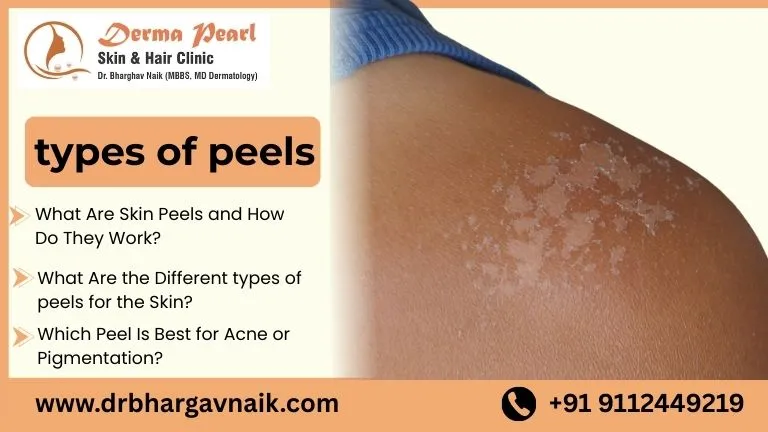
Blogs Types of peels – A Simple Guide to Facial Skin Peeling Treatments Skin problems are honestly something most people deal with at some point. Acne marks that don’t go away, uneven skin tone, dull looking skin… these things are pretty common today. Because of this, many people start looking at dermatology treatments that can actually improve the skin instead of just covering the problem. One treatment that has become quite popular is chemical peeling. And when people start searching about it online, one thing that usually comes up first is types of peels available for the skin. Not everyone needs the same peel. Some peels are very light and mainly help with dull skin or mild acne. Others go deeper and are used for concerns like pigmentation or acne scars. The basic idea behind peel treatments is simple. A special chemical solution is applied to the skin which removes the damaged outer layer. Once that layer starts shedding, new healthier skin slowly appears underneath. It doesn’t happen overnight though. Skin improves gradually over time. What Are Skin Peels and How Do They Work? Skin peels are dermatology treatments where a chemical solution is applied on the face for a short period of time. The solution gently exfoliates the outer skin layer and encourages new skin cells to grow. Now this might sound a little scary when someone hears it the first time, but most peel treatments are actually quite controlled and safe when done by a dermatologist. The process basically speeds up the natural skin renewal cycle. Old damaged skin cells start peeling away and fresh skin appears over the next few days. Many people choose peel treatments for concerns like acne marks, pigmentation, dull skin, and uneven texture. Some people even get them occasionally just to refresh their skin. Another benefit is that peels also help stimulate collagen. Collagen is the protein that helps keep skin firm and smooth. As collagen improves, skin texture can slowly start looking better too. What Are the Different types of peels for the Skin? In dermatology, chemical peels are usually grouped into three main categories depending on how deeply they work in the skin. These are superficial peels, medium peels and deep peels. Each one is used for different skin concerns. Some are gentle and require almost no downtime, while others are stronger and may need more recovery time. A dermatologist usually decides which peel is suitable after looking at the patient’s skin condition. Superficial Peels Superficial peels are the mildest type of peel treatment. These work only on the top layer of the skin, which means they are quite gentle. They are commonly used for problems like mild acne, slightly uneven skin tone, dull skin or light pigmentation. Ingredients such as glycolic acid, lactic acid or salicylic acid are often used in these peels. Because they are mild, the recovery time is usually very short. Many people continue their normal daily routine the same day. However, these peels usually need to be repeated in a few sessions to see noticeable improvement. Medium Chemical Peels Medium peels go a little deeper compared to superficial ones. They target both the outer skin layer and part of the deeper skin layer. These peels are often recommended for issues like acne scars, sun damage, pigmentation or fine lines. A common ingredient used in this type of peel is trichloroacetic acid, often called TCA peel. After the treatment, the skin might feel slightly tight or red for a couple of days. Some peeling may also happen, which is actually part of the normal healing process. Many people notice smoother skin and better tone once the skin heals. Deep Chemical Peels Deep peels are the strongest form of peel treatment. These go deeper into the skin and are used for more serious concerns. They may help improve deeper wrinkles, severe sun damage, or noticeable acne scars. Because deep peels work on deeper layers, recovery time is longer compared to other peels. The skin may take several days to heal properly. For this reason, these treatments are always done under medical supervision in a clinic setting. Most people don’t usually need deep peels unless the skin damage is significant. Which Peel Is Best for Acne or Pigmentation? The best peel really depends on the type of skin concerned. For mild acne or dull skin, superficial peels are usually enough. They help clean the pores and remove the top layer of dead skin cells. If someone has more noticeable pigmentation or acne scars, dermatologists may suggest medium peels because they work deeper in the skin. Deep peels are rarely the first option unless the skin condition is quite severe. Since everyone’s skin reacts differently, doctors normally check the skin carefully before deciding the treatment plan. How Many Sessions Are Usually Required? One thing people often ask is whether peel treatment works in just one session. In most cases, skin peels give better results when done over multiple sessions. Especially mild peels which work gradually. For superficial peels, doctors may recommend around three to six sessions spaced a few weeks apart. Medium peels may need fewer sessions depending on the skin problem. Spacing between sessions is important because the skin needs time to heal and regenerate after each treatment. Are Chemical Peels Safe for the Face? Yes, chemical peels are generally considered safe when performed by a qualified dermatologist. Before starting the treatment, the doctor usually evaluates the skin type and checks if the peel is suitable. Some temporary effects like redness, mild irritation or peeling are normal after treatment. These effects usually settle within a few days. Aftercare is also very important. Using sunscreen regularly and avoiding too much sun exposure helps the skin heal better and protects the results. Why Choose Dr Bhargav Naik for Skin Peels in Kharghar, Navi Mumbai? When it comes to skin treatments, the doctor you choose really makes a difference. At Dr Bhargav Naik’s clinic in Kharghar, patients usually go through a