Blogs
Pigmentation Removal Treatments in Navi Mumbai
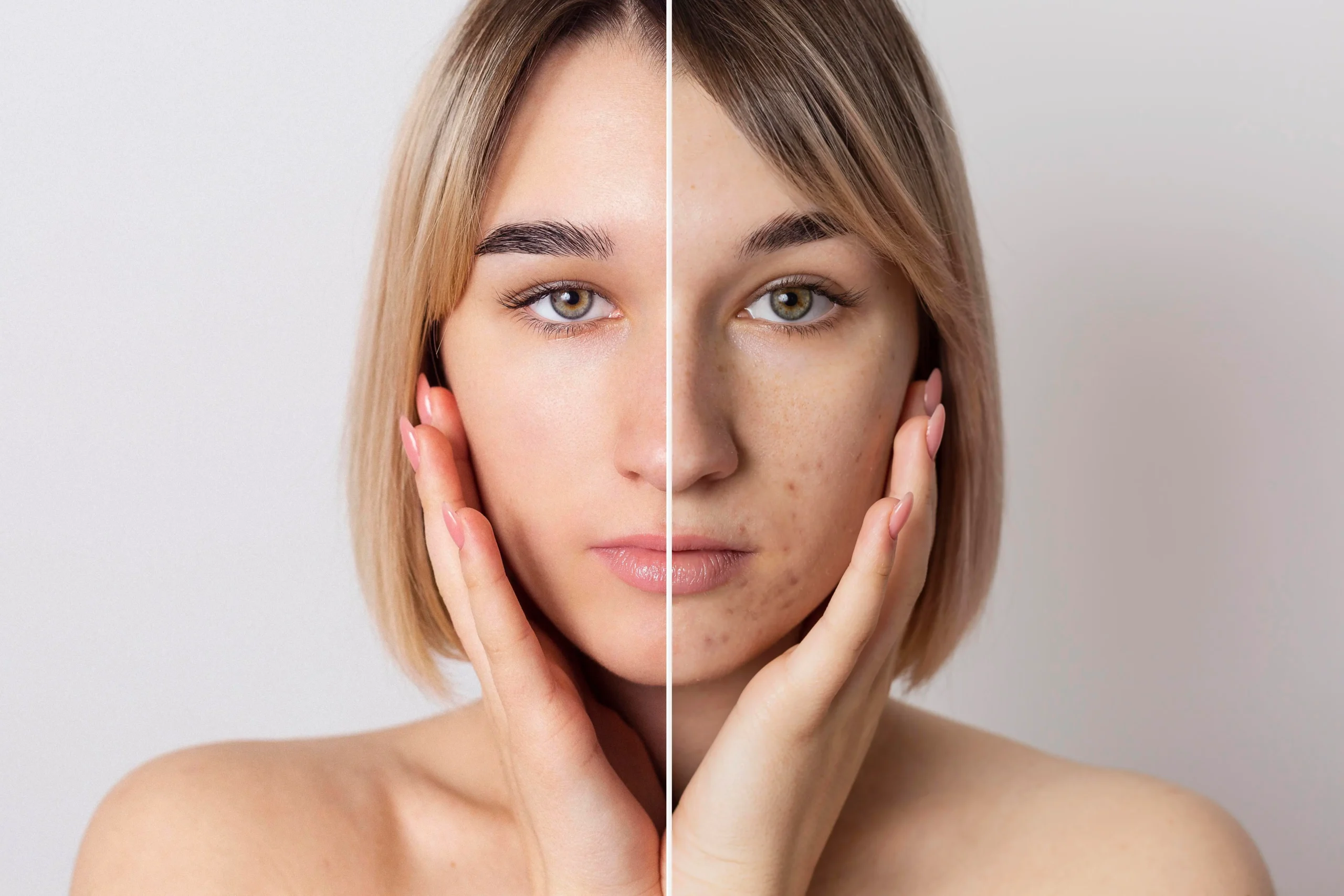
Facial pigmentation, including dark spots, brown patches, and uneven skin tone, is a common concern affecting people of all ages and skin types. Sun exposure, hormonal changes, acne marks, and genetics are primary contributors to pigmentation. While these marks do not usually affect health, they can impact confidence and appearance. Modern dermatology offers effective, safe, and advanced solutions to treat pigmentation, restore clarity, and achieve a more even, radiant complexion. Choosing the right clinic is critical, as proper treatment depends on skin type, pigmentation type, and lifestyle factors.
Types of Facial Pigmentation
Understanding the type of pigmentation is important for effective treatment. Facial pigmentation can appear differently on each person, and each type responds to specific treatments.
1. Melasma
Melasma is characterized by grey-brown patches on the cheeks, forehead, or upper lip. It is often triggered by hormonal changes during pregnancy, thyroid issues, or use of birth control pills. Sun exposure tends to worsen melasma, making it essential to combine treatment with proper sun protection.
2. Sunspots / Age Spots
Sunspots, also called age spots, appear as small brown marks caused by prolonged sun exposure. They are common in adults but can also affect younger people with frequent outdoor activity. These spots are generally superficial and respond well to professional treatments.
3. Post-Inflammatory Hyperpigmentation (PIH)
PIH develops after skin inflammation caused by acne, cuts, burns, or rashes. As the skin heals, dark marks may form and remain visible without proper care. PIH is particularly common among teenagers and young adults who experience acne or minor skin injuries.
Causes of Facial Pigmentation
Pigmentation occurs when the skin produces excess melanin, the natural pigment responsible for skin color. Several factors contribute to increased melanin production:
- Sun Exposure: UV rays are the most common cause of pigmentation. Sunscreen and protective clothing are essential for prevention.
- Hormonal Changes: Pregnancy, PCOS, thyroid disorders, and hormonal medications can stimulate excess melanin production, resulting in pigmentation.
- Skin Injuries or Acne: Healing from acne, cuts, burns, or other skin injuries can leave dark spots that persist without proper treatment.
- Genetics: Individuals with a family history of pigmentation are more likely to develop similar issues.
- Lifestyle Factors: Stress, poor diet, lack of hydration, and inconsistent skincare routines can worsen pigmentation over time.
Professional Treatments for Pigmentation Removal
Proper treatment of pigmentation requires professional guidance. Dermatologists assess skin type, pigmentation type, and severity before recommending a suitable plan. Common treatments include:
Chemical Peels
Chemical peels use skin-friendly acids to remove the pigmented outer layers of the skin. They promote the growth of new, healthy skin and improve overall texture. Chemical peels are effective for mild to moderate pigmentation and can be customized based on the patient’s skin type.
Laser Pigmentation Removal
Laser treatments precisely target melanin, breaking it down for natural fading of dark spots. This method is particularly effective for stubborn melasma, sunspots, and deeper pigmentation. Multiple sessions may be required, and results are typically visible after a few treatments.
Prescription Creams
Topical creams containing vitamin C, kojic acid, azelaic acid, or retinoids are commonly prescribed to gradually lighten dark spots. These creams are safe when used as directed by a dermatologist and are often combined with other treatments for best results.
Microdermabrasion / Dermabrasion
These procedures exfoliate the skin surface, removing dead skin cells and helping fade pigmentation over time. They improve skin texture, brightness, and overall appearance.
Skin Brightening & Booster Treatments
While these treatments do not directly remove pigmentation, they enhance skin health, hydration, and radiance. The skin appears more even-toned and glowing, complementing other pigmentation treatments.
Can Pigmentation Be Permanently Removed?
Pigmentation can be significantly reduced or eliminated with the right dermatologist-guided treatments. However, long-term results depend on proper maintenance. Daily sunscreen, a consistent skincare routine, and follow-up sessions are essential to prevent recurrence. Without these, pigmentation may return due to sun exposure, hormonal fluctuations, or lifestyle factors. Pigmentation can be compared to dust on a surface: thorough cleaning removes it, but without regular upkeep, it eventually comes back.
Ready for Brighter, Clearer Skin? Book Your Pigmentation Session Today!
Maintenance and Prevention
Maintaining results after pigmentation treatment is critical. Dermatologists recommend:
- Daily Sunscreen: SPF 30+ or 50+, reapplied every 3–4 hours to protect against UV damage.
- Consistent Skincare Routine: Cleanser → Serum → Moisturizer → Sunscreen to keep skin healthy.
- Avoid Picking or Squeezing Pimples: Picking can cause new dark marks to form.
- Balanced Diet and Hydration: A diet rich in fruits, vegetables, nuts, and water supports skin health.
- Follow Dermatologist Instructions: Consistent use of prescribed creams or treatments is more effective than occasional use.
Factors That Can Worsen Pigmentation
- Prolonged sun exposure without protection
- Using harsh scrubs or unregulated steroid creams
- Heat exposure from saunas, hot showers, or cooking
- Stress, sleep deprivation, or poor lifestyle habits
- Over-exfoliating or not removing makeup properly
Why Choose Derma Pearl Skin & Hair Clinic in Navi Mumbai?
Derma Pearl Skin & Hair Clinic offers advanced pigmentation removal treatments with a focus on safety, effectiveness, and personalization. Expert dermatologists evaluate each patient’s skin and create a customized treatment plan. The clinic uses modern technologies such as lasers, chemical peels, and microdermabrasion for optimal results. Patients benefit from an honest approach, realistic expectations, and post-treatment guidance to maintain healthy, clear, and glowing skin.
Conclusion
Pigmentation can be treated effectively with professional care, proper treatments, and consistent maintenance. With expert guidance, patients can achieve clearer, brighter, and more even-toned skin. Maintaining results requires daily sun protection, a proper skincare routine, and regular follow-ups. Derma Pearl Skin & Hair Clinic in Navi Mumbai ensures safe, effective, and long-lasting pigmentation removal solutions, helping patients feel confident and radiant in their natural skin.
FAQs
How long does pigmentation removal take?
Treatment duration depends on the type and severity of pigmentation and can range from 4 weeks to 3 months.
Is laser pigmentation removal painful?
Most patients experience mild sensations similar to warm pinches, which are generally well-tolerated.
Can home remedies fully remove pigmentation?
Home remedies may lighten surface spots slightly but cannot effectively treat deeper pigmentation.
Will pigmentation come back?
Pigmentation may return without proper sunscreen, skincare, or if hormonal changes occur. Regular maintenance is essential.
Are chemical peels safe for all skin types?
Yes, when administered by trained dermatologists who select the appropriate peel strength for your skin type.
Struggling With Pigmentation? Book a Dermatologist Consultation Now!
-
Author
Dr. Bhargav Naik - December 11, 2025
Book An Appointment
Contact Us
- OPD Room 2, The Pacific, Block, Seraphic Aesthetics 302-303, G 908, Sector 13, Kharghar, Navi Mumbai, Maharashtra 410210
- +91-91124 49219