Scalp Acne Treatment
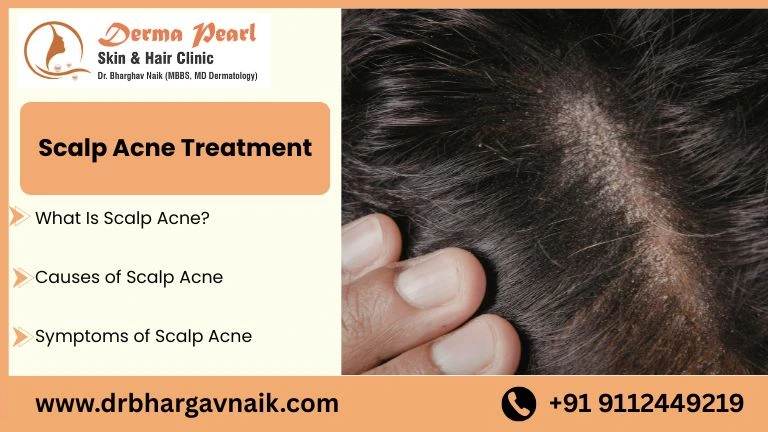
Blogs Scalp Acne Treatment: How to Manage and Heal Scalp Breakouts Scalp acne can be more frustrating than it seems. Even though it’s hidden under the hair, it can cause noticeable discomfort like itching, pain, or sensitivity while combing. Many people confuse it with dandruff or a minor irritation, but in reality, it often needs proper attention and care. Recognizing scalp acne early and choosing the right treatment can make a big difference in preventing it from getting worse. With the right approach and expert guidance from Dr. Bhargav Naik, it is possible to restore scalp health effectively and comfortably. What Is Scalp Acne? Scalp acne refers to small bumps, pimples, or inflamed spots that appear on the scalp when hair follicles become blocked. This usually happens due to excess oil, dead skin cells, or buildup from hair products, which creates an environment where bacteria can grow. Unlike facial acne, it is not always visible, which is why it often goes unnoticed until symptoms like pain or itching start to appear. You might feel discomfort while washing or brushing your hair, which is often the first sign that something isn’t right. Causes of Scalp Acne Scalp acne doesn’t usually have just one cause. It often develops due to a mix of factors related to lifestyle, hygiene, and internal body changes. Understanding these triggers can help in managing the condition more effectively. Excess Oil and Clogged Pores When the scalp produces too much oil, it can clog hair follicles. Combined with dead skin cells, this increases the likelihood of acne formation. Hair Product Buildup Frequent use of heavy oils, gels, or styling products can leave residue on the scalp. Over time, this buildup can block pores and lead to breakouts. Poor Scalp Hygiene Irregular washing or sweat accumulation can trap dirt and bacteria on the scalp, increasing the chances of acne. Hormonal Changes and Stress Hormonal fluctuations and stress can increase oil production, making the scalp more prone to inflammation and breakouts. Tight Headwear or Friction Wearing helmets, caps, or tight headgear for long hours can trap heat and sweat, irritating the scalp and contributing to acne. Symptoms of Scalp Acne The symptoms can vary depending on how severe the condition is. In most cases, people notice small red bumps, whiteheads, or pus-filled pimples on the scalp. There may also be itching, tenderness, or a slight burning sensation. In more severe cases, deeper and painful lumps can form, making everyday activities like combing or styling hair uncomfortable. Scalp Acne Treatment Options Treatment depends on the severity of the condition and its underlying cause. A balanced approach that includes proper care and medical treatment often works best. Medicated Shampoos Special shampoos with ingredients like salicylic acid, ketoconazole, or zinc help reduce oil, unclog pores, and control bacteria. Topical Treatments Doctors may suggest creams or lotions to reduce inflammation and treat infection directly on the affected area. Oral Medications For more severe or persistent cases, medications such as antibiotics may be prescribed to control infection and reduce inflammation. Lifestyle and Hair Care Changes Using mild, non-comedogenic products and maintaining regular scalp hygiene can significantly improve the condition over time. Home Remedies Simple remedies like tea tree oil or aloe vera may help soothe irritation in mild cases, though they are not a substitute for medical treatment when the condition is severe. When Should You See a Doctor? If scalp acne continues to return, becomes painful, or does not improve with basic care, it’s important to consult a specialist. You should also seek medical advice if there is swelling, pus formation, or hair loss in the affected area. Getting the right treatment early can help prevent complications and speed up recovery. Why Choose Dr. Bhargav Naik? Dr. Bhargav Naik offers a personalized approach to treating scalp and skin conditions. Each case is carefully evaluated to identify the root cause before recommending treatment. With a focus on combining clinical expertise with modern treatment methods, patients receive care that is both effective and tailored to their needs. Clear communication and ongoing support ensure a smooth and comfortable treatment experience. Conclusion Scalp acne may seem minor at first, but it can become uncomfortable if left untreated. Recognizing the symptoms and choosing the right scalp acne treatment can help manage the condition effectively and prevent it from recurring. With the right care and guidance from Dr. Bhargav Naik, it is possible to achieve a healthier, irritation-free scalp and improve overall comfort in daily life. Struggling with scalp breakouts? Discover the real causes now! 093266 51151 bhargav30naik@gmail.com FAQs What is the best treatment for scalp acne? Treatment usually includes medicated shampoos, proper scalp care, and sometimes prescription medications depending on severity. Can scalp acne go away on its own? Mild cases may improve with proper hygiene, but persistent acne often needs medical treatment. Is scalp acne caused by dandruff? Not directly, but both conditions can be related to excess oil and scalp imbalance. Can I use home remedies for scalp acne? Yes, mild cases may respond to remedies like tea tree oil or aloe vera, but severe cases require professional care. How long does scalp acne take to heal? It can improve within a few days to a few weeks depending on the severity and treatment used. Treatment usually includes medicated shampoos, proper scalp care, and sometimes prescription medications depending on severity. Mild cases may improve with proper hygiene, but persistent acne often needs medical treatment. Not directly, but both conditions can be related to excess oil and scalp imbalance. Yes, mild cases may respond to remedies like tea tree oil or aloe vera, but severe cases require professional care. It can improve within a few days to a few weeks depending on the severity and treatment used.