
Skin Allergy Treatment: Why Allergies Persist & What Works
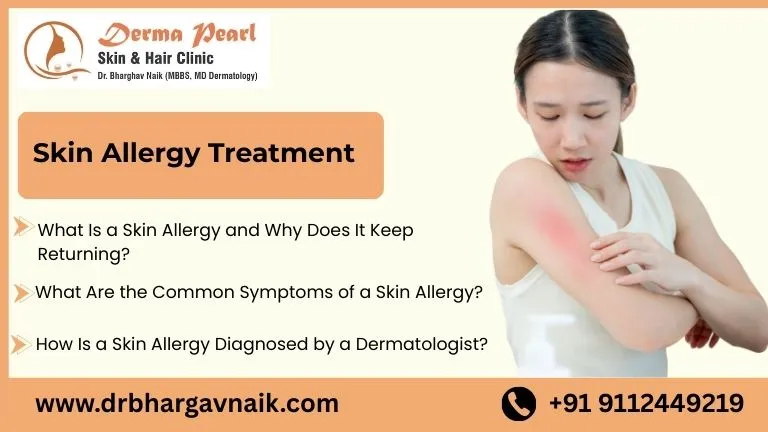
Blogs Skin Allergy Treatment – Why Your Allergy Doesn’t Go Away and What Helps Skin allergies may appear harmless at first, but when itching, redness, or rashes keep returning, they begin to affect daily comfort and confidence. Many people try multiple creams or home remedies, only to see temporary relief followed by another flare-up. This happens because the real cause of the reaction often remains untreated. Effective skin allergy treatment focuses on long-term control by calming the immune response and protecting the skin barrier, rather than masking symptoms. What Is a Skin Allergy and Why Does It Keep Returning? A skin allergy occurs when the immune system reacts excessively to substances that are usually harmless. These substances trigger inflammation in the skin, leading to visible and uncomfortable symptoms. Recurrence happens when the allergen continues to interact with the skin or when treatment only suppresses symptoms temporarily. How the Immune System Reacts to Allergens Allergens such as cosmetics, metals, fabrics, foods, or environmental particles activate immune cells in the skin. This reaction releases chemicals that cause redness, itching, and swelling. Why Symptoms Reappear After Temporary Relief When treatment does not address the trigger, the immune system remains alert. This is why symptoms often return after stopping medication, making targeted skin allergy treatment essential. What Are the Common Symptoms of a Skin Allergy? Skin allergy symptoms vary in intensity and appearance, depending on the trigger and individual sensitivity. Some people experience mild irritation, while others develop widespread inflammation that disrupts daily activities. Visible Skin Changes Common signs include redness, hives, rashes, blisters, scaling, or swelling. Repeated flare-ups may lead to thickened or darkened skin. Sensations That Affect Daily Comfort Persistent itching, burning, or tightness are frequent complaints. Scratching can worsen symptoms and damage the skin barrier. How Is a Skin Allergy Diagnosed by a Dermatologist? Accurate diagnosis is the foundation of successful skin allergy treatment. Without identifying the cause, treatment results are often short-lived. Clinical Evaluation and Medical History A dermatologist evaluates symptom patterns, skincare products, occupation, diet, and previous treatments to narrow down possible allergens. Diagnostic Tests When Needed Patch testing or blood tests may be recommended to confirm the trigger, allowing treatment to be tailored precisely. What Are the Most Effective Skin Allergy Treatment Options? Treatment depends on the severity, duration, and cause of the allergy. The goal is to reduce inflammation, relieve discomfort, and prevent recurrence. Find out what’s triggering your skin allergy and how to control it. 093266 51151 bhargav30naik@gmail.com Medications Used in Treatment Topical creams, soothing ointments, or oral medications may be prescribed to control itching and immune reactions. Long-Term Management Approach Chronic allergies often require a combination of medication, trigger avoidance, and skin barrier repair for sustained relief. Can Skin Allergy Be Treated at Home? Home care plays a supportive role in managing mild symptoms but may not be sufficient for persistent or severe allergies. Helpful Home Care Practices Using fragrance-free products, moisturizing regularly, and avoiding known irritants can reduce flare-ups. When Home Care Is Not Enough If symptoms persist beyond a short period, medical skin allergy treatment is needed to prevent worsening or infection. How Long Does Skin Allergy Treatment Take to Show Results? Recovery time varies based on individual factors. Some patients notice improvement quickly, while others require longer treatment. Early Improvement Phase Mild allergies may improve within days when treated correctly and triggers are avoided. Factors Affecting Healing Time Severity, chronicity, adherence to treatment, and lifestyle habits influence recovery duration. Can Skin Allergies Be Prevented from Coming Back? Prevention is a key component of long-term skin allergy treatment, especially for individuals with recurring symptoms. Identifying and Avoiding Triggers Once allergens are identified, avoiding them significantly reduces flare-ups. Maintaining a Strong Skin Barrier Proper hydration and gentle skincare reduce sensitivity and protect against future reactions. Can Skin Allergies Be Prevented from Coming Back? Prevention is a key component of long-term skin allergy treatment, especially for individuals with recurring symptoms. Identifying and Avoiding Triggers Once allergens are identified, avoiding them significantly reduces flare-ups. Maintaining a Strong Skin Barrier Proper hydration and gentle skincare reduce sensitivity and protect against future reactions. When Should You See a Dermatologist for Skin Allergy Treatment? Medical consultation becomes necessary when symptoms persist, spread, or interfere with sleep and daily life. Signs That Require Professional Care Severe itching, swelling, infection, or recurring flare-ups indicate the need for expert evaluation. Benefits of Early Treatment Early intervention shortens recovery time and prevents complications. Why Choose Dr Bhargav Naik for Skin Allergy Treatment? Choosing Dr Bhargav Naik plays a vital role in long-term relief from skin allergies. Individualized Treatment Plans Each patient receives care tailored to their specific triggers, skin type, and lifestyle. Focus on Sustainable Results The treatment approach aims to control symptoms while reducing future flare-ups and improving skin health. Conclusion Skin allergies are often signals of an underlying immune reaction that needs proper attention. Ignoring recurring symptoms can lead to chronic discomfort and skin damage. With the right skin allergy treatment, it is possible to control flare-ups, restore skin balance, and improve quality of life. Frequently Asked Questions Can skin allergy treatment cure allergies permanently? Treatment helps control symptoms and reduce recurrence, but long-term relief depends on trigger avoidance. Is skin allergy treatment safe for children? Yes, treatments are prescribed based on age and skin sensitivity. Are skin allergies contagious? No, skin allergies do not spread from person to person. Can stress worsen skin allergy symptoms? Stress can intensify flare-ups by affecting immune and skin barrier function. Should treatment continue after symptoms improve? Completing the prescribed course helps prevent recurrence and supports healing. Treatment helps control symptoms and reduce recurrence, but long-term relief depends on trigger avoidance. Yes, treatments are prescribed based on age and skin sensitivity. No, skin allergies do not spread from person to person. Stress can intensify flare-ups by affecting immune and skin barrier function. Completing the prescribed course helps prevent recurrence and supports healing. Get clear answers and personalized care from experienced specialists. 093266 51151 bhargav30naik@gmail.com
Skin Whitening Treatment – Types, Benefits, Safety, and Real Results
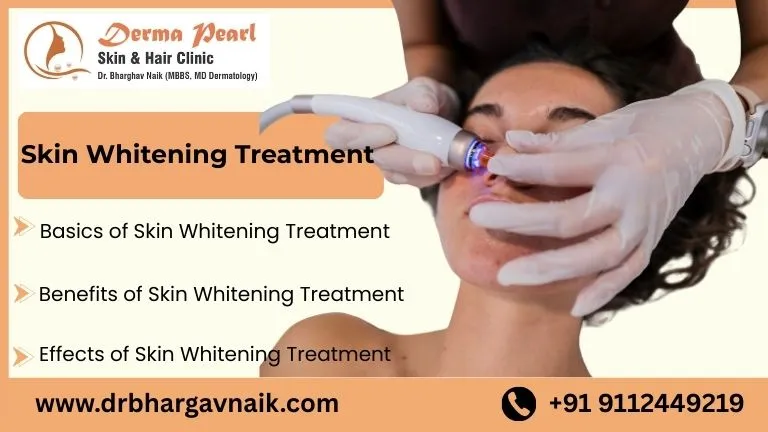
Blogs Skin Whitening Treatment – Types, Benefits, Safety, and Real Results Skin tone and brightness can change over time due to sun exposure, pollution, acne marks, stress, hormonal changes, and aging. These factors may cause dull skin, dark patches, or uneven skin tone. Skin whitening treatment helps improve skin clarity and brightness by targeting pigmentation and repairing damaged skin. It does not change a person’s natural skin color but focuses on restoring healthy, even-toned, and glowing skin in a safe and scientific way. Basics of Skin Whitening Treatment Skin whitening treatment is a dermatology-based procedure that works to improve skin tone, reduce pigmentation, and enhance overall skin health. It treats issues such as tanning, dark spots, and uneven skin tone by working on both the surface and deeper layers of the skin. Before starting treatment, a dermatologist carefully studies the skin type and concern to ensure the treatment is suitable and safe. Benefits of Skin Whitening Treatment Skin whitening treatment helps brighten dull skin, reduce sun damage, and lighten dark spots and acne marks. Over time, the skin becomes smoother, clearer, and more evenly toned. Many people also notice improved hydration and a natural glow. When done correctly, the results look healthy and natural, not artificial or overdone. Effects of Skin Whitening Treatment After skin whitening treatment, most people experience visible improvement in skin tone and clarity. Pigmentation gradually fades, and the skin appears fresher and more balanced. Some individuals may notice mild redness or sensitivity immediately after treatment, but this is temporary and usually settles quickly with proper aftercare. Different Types of Skin Whitening Treatment Options There are various skin whitening treatment options available today, each designed to address specific skin concerns. The choice of treatment depends on factors such as skin type, age, depth of pigmentation, and lifestyle. A dermatologist selects the most suitable option after a detailed skin evaluation to ensure effective and safe results. Ready to achieve brighter, more even-toned skin? 093266 51151 bhargav30naik@gmail.com How Skin Whitening Treatment Works Skin whitening treatment works by controlling excess melanin production, which causes dark spots and uneven skin tone. It also removes dead and damaged skin cells while encouraging the growth of new, healthy skin cells. This process helps repair the skin gradually, leading to brighter, smoother, and more even-toned skin over time. Types of Skin Whitening Treatments Chemical Peel Skin Whitening Treatment Chemical peel skin whitening treatment uses medically approved solutions to gently exfoliate the skin. This helps remove dead skin cells, reduce surface pigmentation, and reveal brighter skin underneath. It is commonly used for tanning, mild pigmentation, and uneven skin tone. Laser Skin Whitening Treatment Laser skin whitening treatment targets deeper pigmentation by breaking down excess melanin within the skin. It is effective for stubborn dark patches and uneven skin tone when performed under professional supervision. Medi Facial Skin Whitening Treatment Medi facial skin whitening treatments are advanced medical facials that cleanse, hydrate, and brighten the skin using dermatologist-approved techniques. These treatments improve skin glow while maintaining skin health. Injectable Skin Whitening Treatment Injectable skin whitening treatment is prescribed by dermatologists and works from within to support skin brightness and overall skin health. These treatments are planned carefully to ensure safety and natural-looking results. Is Skin Whitening Treatment Safe? Skin whitening treatment is safe when performed by qualified dermatologists using approved medical products and technology. Professional supervision ensures that the treatment strength and method are suitable for the individual’s skin type. Unsafe fairness creams or unverified home remedies should be avoided, as they can cause long-term skin damage. Is Skin Whitening Treatment Permanent? The results of skin whitening treatment are long-lasting but not permanent. Factors such as sun exposure, hormonal changes, and lifestyle habits can affect skin tone over time. Using sunscreen, following a proper skincare routine, and doing maintenance sessions as advised by a dermatologist help maintain results for a longer period. Frequently Asked Questions About Skin Whitening Treatment Is face rejuvenation safe? Most skin whitening treatments are comfortable and cause little to no pain. Some treatments may cause mild tingling or warmth, which is temporary. How many sessions are needed? The number of sessions depends on the skin condition and level of pigmentation. Most people need three to six sessions for visible improvement. Is skin whitening treatment suitable for men? Yes, skin whitening treatment is suitable for both men and women who want to improve skin tone and clarity. Can teenagers undergo face rejuvenation? Only mild treatments are recommended for teenagers, and only after proper dermatologist consultation. Most skin whitening treatments are comfortable and cause little to no pain. Some treatments may cause mild tingling or warmth, which is temporary. The number of sessions depends on the skin condition and level of pigmentation. Most people need three to six sessions for visible improvement. Yes, skin whitening treatment is suitable for both men and women who want to improve skin tone and clarity. Only mild treatments are recommended for teenagers, and only after proper dermatologist consultation. Don’t let pigmentation hold you back. 093266 51151 bhargav30naik@gmail.com Why Choose Derma Pearl Skin & Hair Clinic Derma Pearl Skin & Hair Clinic offers dermatologist-led, personalized skin treatments based on detailed skin analysis and evidence-based medical protocols. The clinic focuses on safe technologies, ethical practices, and natural-looking results while maintaining high hygiene and safety standards. With experienced doctors and a patient-first approach, it ensures reliable care and long-term skin health in line with EEAT principles. Conclusion – Is Skin Whitening Treatment Right for You? Skin whitening treatment is a safe and effective option for improving uneven skin tone, reducing pigmentation, and restoring natural glow when performed under expert care. It is not about changing your natural skin color but about helping your skin look healthy, balanced, and well cared for. With the right treatment, proper aftercare, and professional guidance, skin whitening treatment can provide long-lasting and natural results.